


That smell usually starts small. A coffee spill that seemed harmless. A wet dog ride home. A gym bag left in the back seat too long. Then one warm afternoon, you open the door and the whole cabin reminds you the problem never really left.
Most drivers try the same first move. They hang an air freshener, spray something scented on the seats, crack the windows, and hope the odor fades. Sometimes it seems better for a day or two. Then the fragrance disappears and the original smell comes right back.
That happens because car seat odors usually aren’t sitting on the surface. They soak into fabric, seams, and the foam under the upholstery. If the source stays there, you’re not fixing the odor. You’re layering perfume over it.
That’s where the professional approach changes everything. Real odor removal starts with diagnosis, not guesswork. Before any product goes on the seat, the source has to be identified, the material has to be considered, and the treatment has to match the type of contamination.
That Lingering Smell You Just Can't Ignore
A lot of people live with bad interior odor longer than they should. They get used to it little by little, until a passenger gets in and notices it immediately. That’s common with family vehicles, commuter cars, and anything that sees pets, snacks, sports gear, or wet weather.
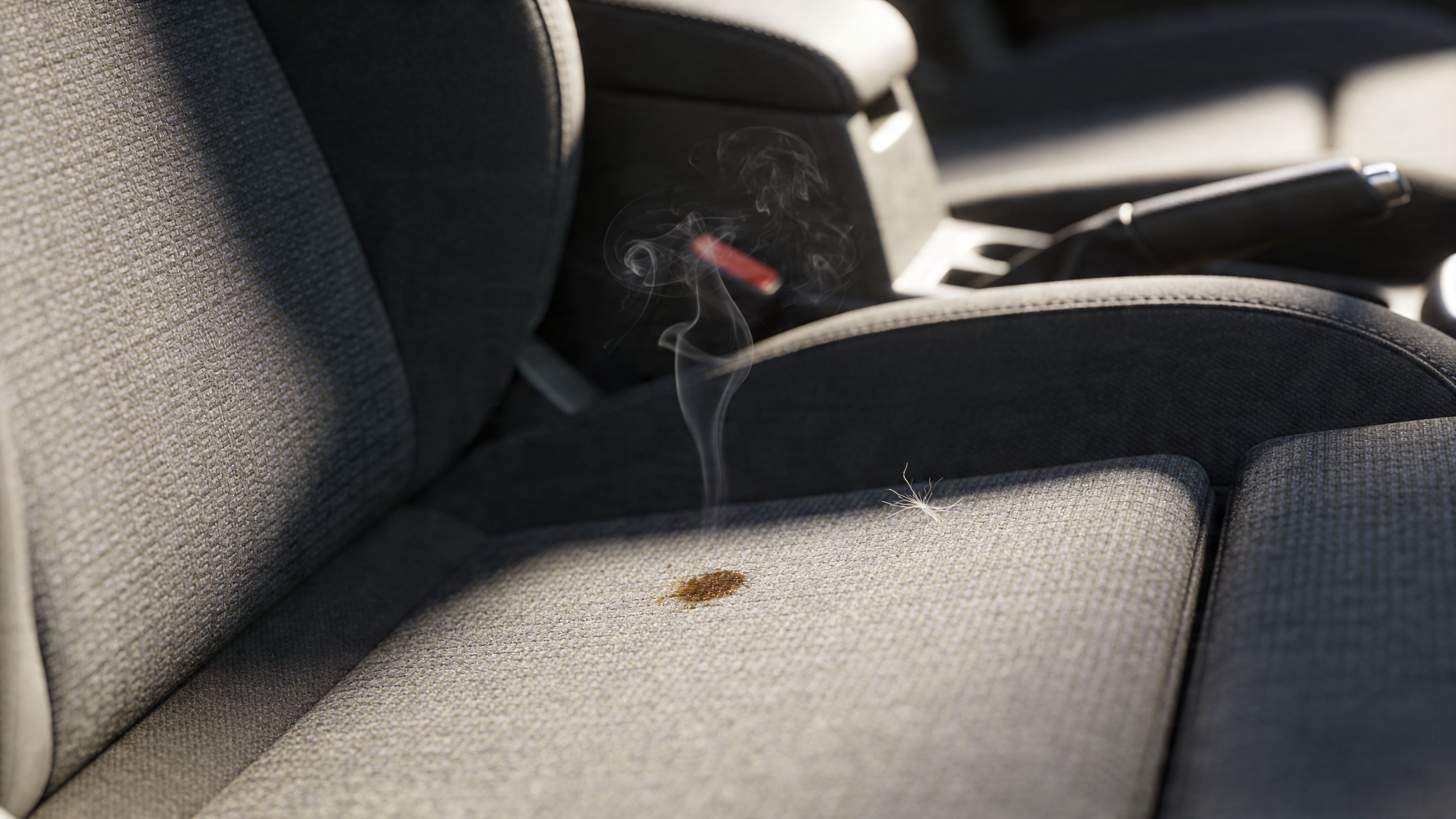
Some odors have an obvious story behind them. Smoke, spoiled milk, pet accidents, mildew, fast food, or a mystery stain under a child seat. Others are more frustrating because you can’t immediately see the cause. The seat looks clean, but the smell is still there every time the cabin heats up.
Why covering it up doesn't work
Air fresheners and spray deodorizers can make a car smell different, but different isn’t the same as clean. A lingering seat odor means some form of residue is still present in the material. If that residue stays in the fibers or padding, heat and humidity will keep reactivating it.
That’s why quick fixes often turn into repeat purchases. Consumer content pushes low-cost DIY attempts, but it often skips the long-term comparison between a small home remedy purchase and a guaranteed professional treatment. That gap matters for busy Central Pennsylvania drivers who don’t want to keep revisiting the same odor problem every weekend, as noted in this discussion of DIY odor removal versus professional treatment decisions.
Practical rule: If a smell disappears only while a fragrance is active, the source hasn’t been removed.
Odor problems usually get worse, not better
A seat odor rarely fixes itself. Residue settles deeper. Moisture hangs around longer than people think. Warm weather amplifies everything. What started as “a faint funky smell” can turn into a cabin-wide problem that affects the seats, carpet, and ventilation system.
When people ask how to remove odor from car seats, the answer isn’t “scrub harder.” It’s “find the source, then use the right treatment for that source.” That’s the difference between temporary improvement and actual elimination.
Diagnosing The Odor Source Is The First Step
Professional odor removal starts before the cleaning starts. The first job is inspection. A detailer has to figure out what the smell is, where it began, and how far it traveled.

That sounds simple, but it isn’t. Two cars can both “smell bad” and need completely different treatment plans. Smoke behaves differently than pet urine. Spoiled drink residue behaves differently than mildew. The wrong approach wastes time and can leave the source untouched.
What a professional looks for
The first pass is usually sensory and visual. The odor profile matters. Sour, musty, smoky, sharp, sweet, or ammonia-like smells point in different directions. Then the seat is inspected closely, including seams, rails, lower cushions, and the area under child seats or covers.
A proper check also includes nearby surfaces because seat odor rarely stays isolated. Carpet edges, floor mats, seatbelt webbing, and the lower trim can all hold contamination that keeps feeding the smell.
Here’s the basic diagnostic framework:
Identify the odor family
Organic odors usually come from food, body oils, milk, pet accidents, mildew, or vomit. Chemical odors often point to smoke residue, spilled products, or off-gassing contamination.Find the source zone
The strongest smell isn’t always the true origin. Odors migrate. Airflow, heat, and fabric absorbency can make one area smell stronger than the actual source.Check depth, not just surface
Seats are layered. Surface fabric may look fine while the padding underneath holds the actual problem.
Why hidden contamination matters
For bio-organic odor sources, professionals may use a UV blacklight because urine crystals can fluoresce under 365nm light, helping locate contamination that isn’t visible in normal lighting. That matters because 60-70% of odors are embedded deep in the foam substrate of the seat, not just on the surface, according to this explanation of professional odor-source identification with UV inspection.
That one point changes the whole process. If the odor lives in the foam, surface wiping won’t solve it. Neither will a scented spray.
A car seat can look clean and still smell terrible because the contamination is below the fabric line.
Material matters too
Diagnosis also includes seat material. Cloth, leather, and coated synthetic materials all react differently to moisture and chemicals. A method that’s acceptable on fabric can damage leather or leave residue in perforated seats.
That’s why professionals don’t treat odor as a single product problem. It’s a source problem, a depth problem, and a material-safety problem at the same time. Once those are clear, the cleaning has a chance to work.
Why Common DIY Methods Often Fall Short
Most online advice about how to remove odor from car seats circles back to the same two household products. Baking soda. Vinegar. Both have some logic behind them. Both can help in limited situations. Neither should be treated like a complete solution for a stubborn odor issue.
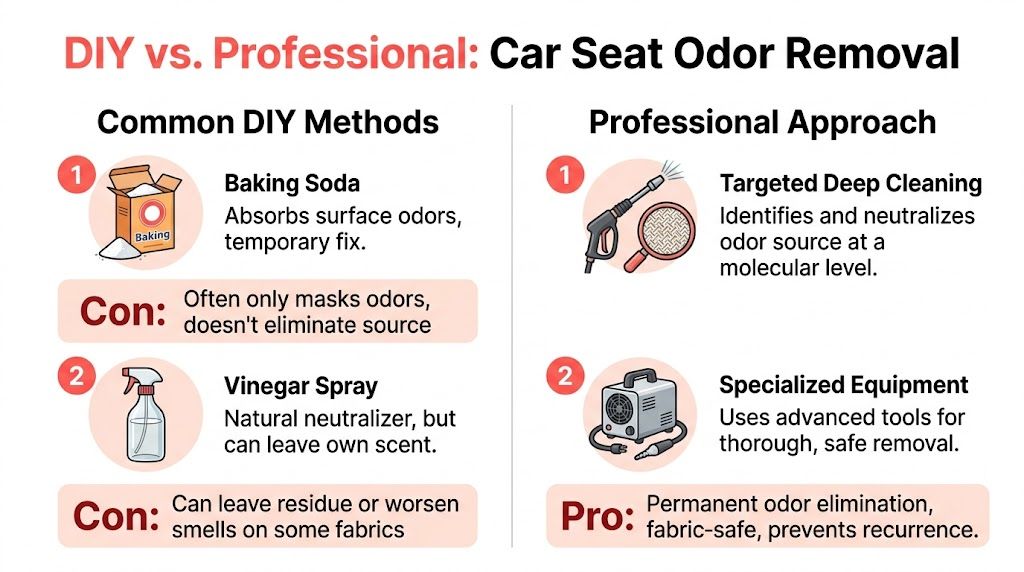
The biggest problem with DIY advice is that it often ignores depth, drying, and material risk. It tells you what to sprinkle or spray, but not what happens when the smell is below the surface or when the wrong amount of moisture gets trapped in the seat.
Baking soda has limits
Baking soda is widely used because it can absorb odors and moisture. On a mild, recent smell, that can make a difference. But the details matter more than people think.
Common DIY mistakes with baking soda include too little dwell time and using it in humid conditions. If it sits for under 3 hours, efficacy drops by 50%, and humid conditions can cause clumping and foster mildew, with a 20% failure rate in climates like a Pennsylvania summer, according to this guidance on musty interior odor treatment and baking soda pitfalls.
That’s the part many overlook. They sprinkle, vacuum too soon, and decide “it didn’t work.” Or they leave residue behind in damp fabric and create a new problem.
Vinegar isn't a cure-all either
Vinegar is another common recommendation because acetic acid can help break down certain odor molecules. But vinegar has trade-offs. It has its own smell, and on some interiors it creates a temporary mix of old odor plus vinegar odor, which drivers often hate more than the original issue.
It also doesn’t change the core problem if contamination has settled into foam. Surface treatment can improve the top layer while the deeper source remains active underneath.
The home method versus the real job
A simple comparison makes the difference easier to see:
| Method | What it can do | Where it usually falls short |
|---|---|---|
| Baking soda | Absorbs some surface odor and moisture | Often misses deep contamination |
| Vinegar solution | Neutralizes some odor compounds | Can leave its own scent and may not solve source issues |
| Sprays and air fresheners | Change the smell of the cabin quickly | Masking is temporary |
| Professional treatment | Targets source material and odor molecules directly | Requires equipment, process, and product knowledge |
If you want a safe starting point for basic seat care, this guide on cleaning car seats at home covers general maintenance well. But persistent odor is a different category of problem. Once smell has moved into seat foam, seams, or the HVAC path, home remedies usually turn into repeated attempts instead of a result that lasts.
DIY methods can help with light odor maintenance. They often disappoint when the smell has had time to soak in.
The Professional Toolkit For Odor Annihilation
Professional odor removal works because it doesn’t rely on one trick. It combines diagnosis, source removal, material-safe chemistry, extraction, and full-cabin treatment when needed.
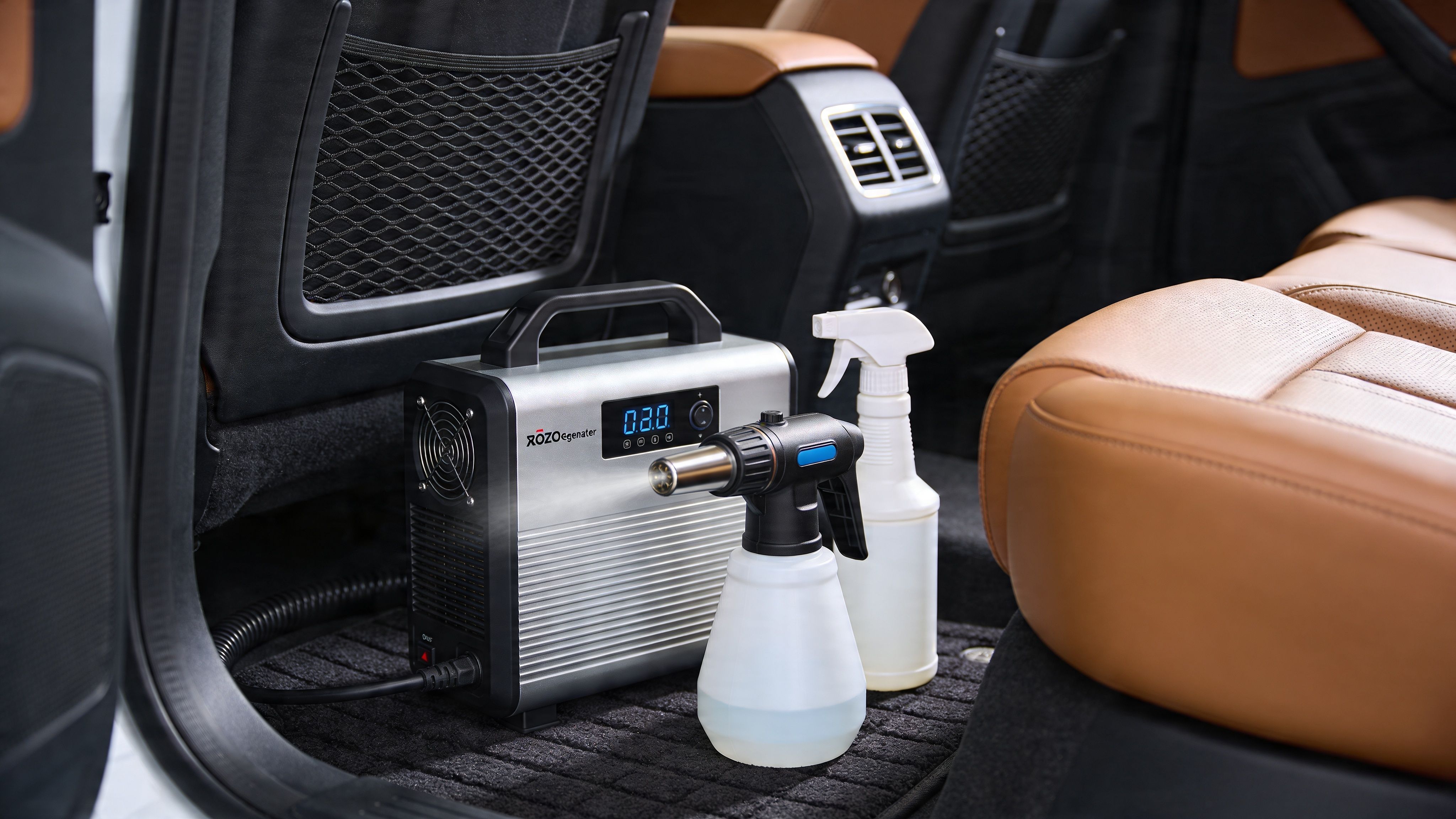
For serious seat odor, the goal is simple. Break down what’s causing the smell, remove as much contamination as possible, and treat the air paths so the odor doesn’t cycle back through the cabin.
Probiotic and enzyme treatments attack the source
Professional chemistry stands apart from household fixes. For bio-organic odors like pet urine and mildew, probiotic treatments use beneficial bacteria that digest the odor-causing material itself.
Professional probiotic treatments can use Bacillus subtilis spores that multiply and digest odor-causing proteins at a molecular level, achieving 95%+ elimination for pet urine and mildew and outperforming vinegar-based solutions by over 30% in tests, as described earlier in the source material.
That difference matters because organic odor isn’t just “a bad smell.” It’s usually actual residue. If the residue remains, the smell remains.
Extraction removes what chemistry loosens
Once the source is identified and treated, extraction becomes critical on fabric interiors. A proper deep-clean process works contamination out of the seat rather than pushing it around.
Professionals don’t just wet the surface and hope for the best. They use controlled application, agitation when appropriate, and extraction that removes dissolved residue from the material. That’s especially important after spills, pet messes, and anything that has migrated beneath the seat fabric.
A professional process often includes:
- Targeted application of the right cleaner for the odor type and seat material
- Agitation where safe to help the product reach affected fibers
- Deep extraction to pull suspended residue out of the seat
- Drying management so moisture doesn’t linger and create a musty comeback
Whole-cabin treatment has a role
Some odors aren’t limited to the seat surface. Smoke is the classic example. The seats absorb it, but so do the headliner, vents, carpet, and cabin filter. In those cases, a full-cabin neutralizing step is often necessary.
That’s where ozone-style or bomb-style treatments come in. If you’re comparing methods, this overview of what ozone treatment does for car odors is useful background because it explains why whole-cabin treatment is different from wiping down upholstery.
To see one style of treatment in action, this clip shows the kind of process detailers use when odor needs more than a surface clean:
HVAC treatment is often overlooked
A lot of lingering car odor complaints are partially ventilation problems. Seats may be the original source, but the HVAC system can keep recirculating odor through the cabin after the seat is cleaned.
That’s why serious odor work often includes vent treatment and cabin filter evaluation. The principle is similar to what homeowners deal with when they improve indoor air quality using dedicated air purification systems. In both cases, you have to think beyond the visible surface and deal with the air moving through the space.
One option among professional services
One professional option available locally is a Bio Bomb treatment through The Mobile Buff, which is used for stubborn vehicle interior odors and run with the ventilation system cycling so neutralizing particles move through fabric, seat cushions, carpet padding, and air pathways. That kind of process is built for odors that simple wiping and deodorizing won’t solve.
The best odor treatment is the one that matches the source, reaches the depth of contamination, and dries correctly afterward.
Keeping Your Car Smelling Fresh Long-Term
Once the odor is gone, keeping it gone comes down to habits. Not perfect habits. Just the right ones.
The biggest mistake drivers make after a successful odor treatment is going back to the same pattern that caused the problem. Wet items stay in the car. Crumbs build up in seams. Small spills don’t get handled right away. Then the interior slowly slides back into the same cycle.
Small habits that prevent big odor problems
A few maintenance steps go a long way:
- Remove spills fast. Blot solids and liquids quickly so they don’t migrate deeper into the seat.
- Keep floor mats clean. Dirty mats hold moisture and transfer odor back into the cabin air.
- Clear out food and containers. Old drink cups and snack debris create sour smells fast in warm weather.
- Vacuum regularly. Seat seams and lower cushions trap the kind of debris that starts odor issues.
Regular interior detailing also helps because it resets the cabin before odor becomes established. Prevention is always easier than rescue work.
Don't ignore the cabin air filter
Cigarette smoke is especially stubborn in used cars, and even when the seats are cleaned, odor can linger in the HVAC system. Replacing the cabin air filter matters because it can trap odor-causing particles and VOCs from smoke, food, and pets, which are issues in over half of all vehicles, according to this guide on removing car seat smells and addressing HVAC odor retention.
If the cabin still smells stale after seat cleaning, the filter is one of the first things worth checking. A fresh interior with an old contaminated filter usually won’t stay fresh for long.
Be careful with scent boosters
A light fragrance can be fine after the interior is clean. The problem starts when scent products are used as a substitute for cleaning. That’s how people end up with a car that smells like “pine mildew” or “vanilla smoke.”
If you like a softer, cleaner scent approach after the odor issue is solved, this article on using essential oils in your car is a helpful read. Just keep fragrance separate from odor removal in your mind. One is maintenance. The other is remediation.
When To Call The Mobile Buff A Professional Guide
Some odor issues are reasonable to monitor. Most persistent ones aren’t worth dragging out. If the smell keeps returning, keeps spreading, or keeps getting stronger on warm days, it’s time to stop experimenting.
A good rule is this. If you’ve cleaned the obvious area and the odor still comes back, the source probably isn’t on the surface anymore. At that point, you need better diagnosis, better product selection, and better equipment than most drivers keep at home.
Signs it's time to stop trying DIY
You should move to professional help when any of these are true:
- The smell returns after cleaning. That usually means the source is still in the seat foam, carpet backing, or ventilation path.
- The odor is strong and specific. Smoke, pet urine, sour milk, mildew, and vomit tend to need a more technical process.
- You don't know the source. Mystery odor is often hidden odor.
- The seat material is sensitive. Leather, perforated upholstery, and specialty fabrics leave less room for trial and error.
- You’re preparing the car for sale. Interior smell can hurt the impression of an otherwise clean vehicle.
Convenience matters too
For a lot of drivers, the issue isn’t just whether they can attempt it. It’s whether they want to spend part of a weekend testing products, waiting on dry times, and still wondering if the smell is really gone.
That’s why mobile service makes sense for busy households and commuters. The work happens where the car already is. No waiting room. No drop-off shuffle. No living with a bad-smelling car for another few weeks because the schedule never opened up.
If you’re local and need a real solution, you can review the odor removal service and see whether it fits your situation. Drivers around Harrisburg, Mechanicsburg, Carlisle, Newport, and surrounding areas can also check the company’s Google Business Profile service area and contact details for availability.
A stubborn interior odor usually won’t disappear on its own. It has to be found, treated correctly, and removed with the right process.
If your car still has that lingering smell every time you open the door, it’s time to stop masking it and get it properly removed. The Mobile Buff brings professional odor treatment and interior detailing right to your driveway in Central Pennsylvania, so you can get your cabin back to clean, fresh, and usable without losing a day to trial and error.

