


You know the scene. Your dog rides in the back seat once, naps on the couch once, and suddenly fur is on the armrest, in the seat seams, across the cargo mat, and somehow stuck to your sweatshirt too. Pet hair has a way of spreading beyond the spot where your pet sat.
That's why a pet hair remover glove for furniture gets so much attention. It's simple, fast, and easy to keep nearby for the daily mess. From a detailer's point of view, that makes it useful. It also makes it easy to overestimate. A glove can help a lot with fresh, loose hair, but it's not the same thing as a deep interior cleaning, especially once fur has worked down into woven upholstery or vehicle carpet.
That Layer of Fur on Everything You Own
Most pet owners aren't dealing with one hairy surface. They're dealing with all of them at once. The sofa catches the obvious layer. Dining chairs collect the stray stuff. Then the car ends up with the worst of it because seat fabric, carpet, and cargo liners love to hang onto fur.
I see that same pattern all the time with vehicle interiors. A client keeps up with the house pretty well, but the car gets away from them because the hair gets packed into the fabric every time the dog jumps in, turns around, and settles down. At that point, a quick wipe helps the top layer, but the deeper stuff stays put.
A glove is a maintenance tool. It's great for keeping a small problem small.
That's the right way to think about it. If you catch hair early, a glove can save you time between bigger cleanings. If you wait until the seat looks fuzzy from every angle, you're asking a surface tool to solve a deeper upholstery problem.
Fabric choice matters too. Tight, smoother weaves usually let go of hair more easily than textured fabrics that trap it. If you're comparing materials for throws, couch covers, or pet zones, these expert tips for pet hair fabrics are worth a look because the fabric itself often decides whether cleanup is easy or annoying.
For furniture, a glove earns its keep on routine touch-ups. For car interiors, it helps most when you use it before the hair gets stomped, rubbed, and ground into the seats.
How to Choose a Glove That Actually Works
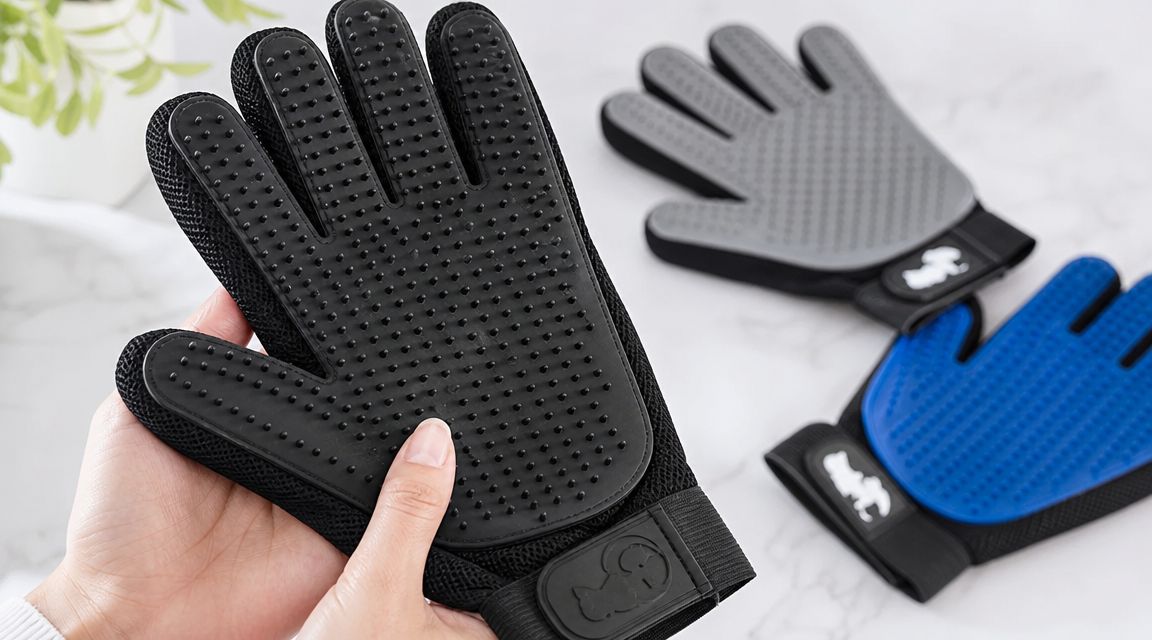
Not all gloves work the same way. Some are basically grooming mitts repurposed for furniture. Others are built and marketed as household cleaning tools for sofas, bedding, clothes, and carpets. That change matters because pet hair removal gloves for furniture became a mainstream consumer cleaning accessory in the late 2010s and early 2020s, as brands and major retailers started selling them as multi-surface tools rather than niche grooming accessories, as shown by this pet hair glove product category example.
Features worth paying attention to
When clients ask what to buy, I don't tell them to chase the cheapest option. I tell them to check the working surface first.
- Rubber or silicone texture works better than a slick surface because it creates the drag needed to pull loose hair together.
- Dense bristles or nubs usually do better on flatter upholstery because they make more contact.
- A dual-sided glove gives you more flexibility when moving from a couch cushion to a car seat edge or floor mat.
- A secure cuff matters more than people think. If the glove shifts around on your hand, you lose pressure and control.
Match the glove to the surface
A velvet sofa, a basic cloth seat, and a textured trunk liner won't all respond the same way. On smoother fabric, almost any decent glove can gather visible hair into a clump. On rougher material, the glove has to catch the hair without skipping over it.
Here's the quick way I'd judge it:
| Surface | What to look for in the glove | Why it matters |
|---|---|---|
| Smooth upholstery | Moderate texture | Too aggressive can drag awkwardly |
| Standard car cloth seats | Firm grip and flexible palm | Helps work around seams and contours |
| Carpets and mats | Stronger texture | Hair tends to sit deeper in the fibers |
| Delicate fabric | Softer contact surface | Reduces the risk of rough rubbing |
If you want a broader look at tools beyond gloves, this guide to the best pet hair remover helps compare what works for different surfaces.
Buy the glove for repeat upkeep, not because the packaging makes it sound like a miracle fix.
That mindset saves disappointment. A solid glove is useful. A weak one wastes time. And even a good one has limits once the fur is buried down in the fabric.
The Professional Prep Step You Cannot Skip
The biggest mistake people make is starting with the glove.
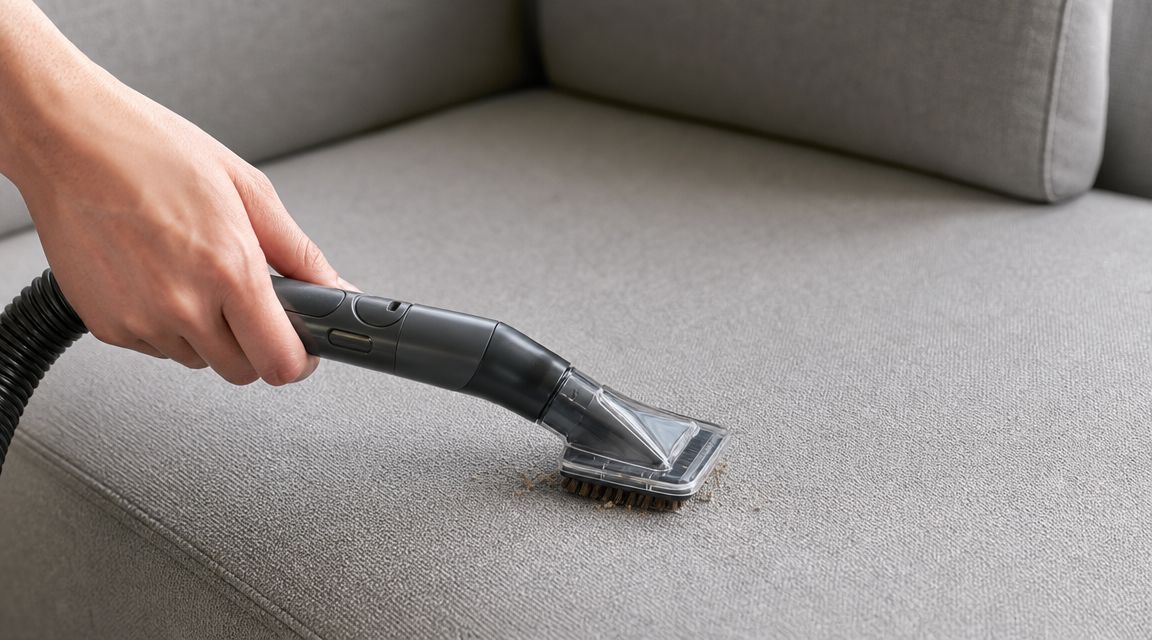
If the surface still has loose dirt, crumbs, grit, and dander on it, the glove won't be working on hair alone. It'll be dragging debris around with it, clogging its surface, and making you do the same area over and over.
Vacuum first, always
In detailing, prep is what separates a decent result from a frustrating one. For furniture or vehicle upholstery, the first move is a thorough vacuum using an upholstery tool or soft brush attachment. That removes the easy material first so the glove can focus on the hair still hanging on.
Here's what vacuuming changes:
- It clears loose debris so you're not smearing dust through the fabric.
- It lifts the obvious hair and leaves less work for the glove.
- It exposes problem areas like seat seams, piping, and textured panels where fur likes to hide.
A lot of people skip this because the glove feels faster. It isn't faster once you have to keep cleaning the glove every few swipes and still don't get a clean finish.
Why prep matters more in a car
Vehicle interiors are tighter, dirtier, and more uneven than a couch cushion. Hair gets caught around seat tracks, wedged into stitching, and mixed with road dust. That mix makes friction less effective unless the area has already been vacuumed properly.
A quick visual helps show the kind of cleaning rhythm that works before you ever start hand-removing fur:
Practical rule: If the fabric still feels gritty, you're not ready for the glove yet.
That one step changes the whole job. Once the loose material is gone, the glove has a chance to do what it's good at.
Mastering the Swipe Technique for Any Fabric
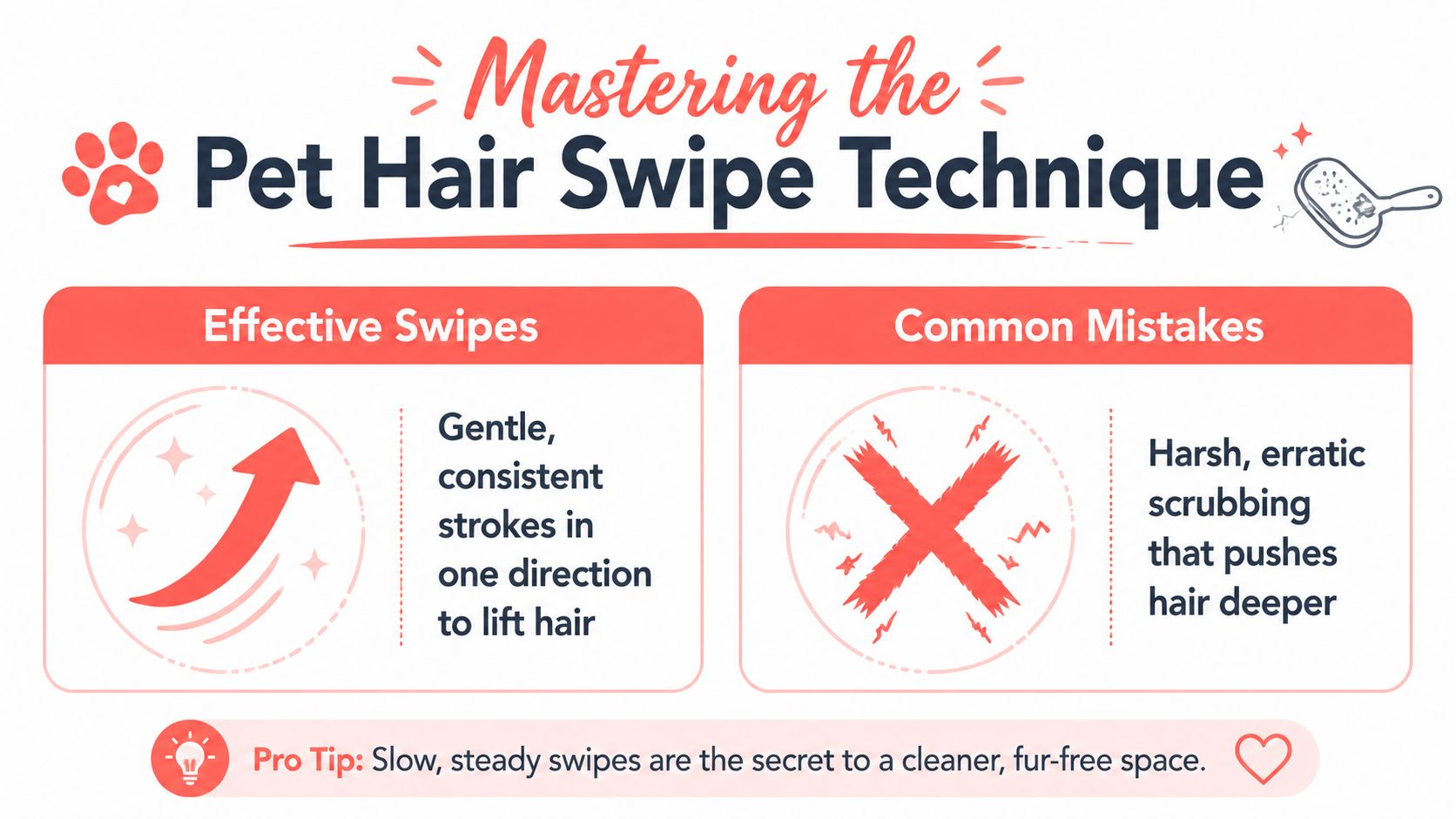
The glove matters, but technique matters more. Most poor results come from one habit. People scrub too hard and in too many directions.
Use controlled strokes, not frantic rubbing
Start with short, firm strokes in one direction. You're trying to gather hair into a visible line or clump that you can lift away. If you scrub back and forth, you often push hair sideways or drive it deeper into the nap.
This is especially important because many pet hair removers vary a lot in how they perform on different textiles and with firmly embedded hair, and product listings often don't give clear data about durability or results on tougher surfaces like boucle or textured car seats, which is why claims about handling firmly embedded hair stand out so much in the category, as reflected in this marketplace overview of pet hair remover glove concerns.
Adjust for the fabric in front of you
Different surfaces need different pressure.
- Microfiber and tighter upholstery can usually handle a firmer pass. The hair tends to sit closer to the surface, so the glove can roll it up effectively.
- Textured woven fabric needs patience. Work smaller sections and pay attention to the direction that lifts the hair instead of matting it down.
- Car seats and carpeted panels usually need multiple passes from slightly different angles because the weave and pile grab fur tightly.
- Delicate materials call for caution. If the fabric looks easily marked or crushed, test a small hidden area first and keep pressure light.
A simple work pattern that helps
I tell people to work in zones instead of chasing random tufts.
- Pick a small section such as one seat bottom or one couch cushion panel.
- Swipe in one direction until hair starts collecting.
- Lift the clumped hair off by hand or vacuum it away.
- Repeat from a slightly new angle only if needed.
That system keeps you from moving hair from one side of the seat to the other.
If the problem is vehicle upholstery specifically, this article on the best way to remove dog hair from upholstery goes deeper into what changes when you're dealing with automotive fabric rather than household furniture.
Gentle, repeatable strokes beat aggressive scrubbing every time.
The key trade-off is simple. Gloves are efficient on fresh, loose, surface-level fur. They get less impressive when the hair has been pressed into textured fabric for weeks. That's where people often assume they're using the tool wrong, when in fact, the hair is too embedded for a glove alone.
Glove Care and Troubleshooting Stubborn Fur
A glove works better when the working surface stays clean. Once it loads up with hair, performance drops fast and you start sliding over the fabric instead of gripping it.
Keep the glove usable
After each section, peel or pull the collected hair off the glove by hand. Don't wait until the whole palm is covered. A loaded glove loses the texture that makes it effective.
If the glove is washable, clean it according to the maker's directions and let it dry fully before using it again. That sounds basic, but it matters because many product pages talk about convenience and reuse without giving much detail on how the surface holds up over time. From a practical standpoint, if the glove starts feeling slick or matted, it won't perform like it did when new.
What to do when the hair won't move
Some pet hair isn't sitting on the surface anymore. It's worked down into the fabric from body weight, repeated rubbing, and daily use. In a car, the usual hotspots are the driver seat edge, rear bench, cargo area, and carpet behind the front seats.
When that happens, try this:
- Re-vacuum the area to remove anything the first pass loosened.
- Shorten your stroke length and focus on a tighter section.
- Change direction slightly rather than scrubbing harder.
- Stop if the fabric starts looking stressed because extra force won't improve the result.
If the fur still won't release, you're probably past what a glove is meant to do. For stubborn vehicle interiors, professional pet hair removal is the next step. We see that kind of buildup often in cars around Harrisburg, and you can get a feel for the kind of results people expect by checking our local detailing reviews and recent work.
That's the honest line in the sand. A glove is good for upkeep. It isn't a substitute for deeper extraction and agitation when the interior has been holding pet hair for a long time.
When to Call the Pros for a True Deep Clean
There's a point where the glove has done all it can do. The visible layer is gone, but the seat still looks fuzzy in the seams, the carpet still feels hairy when you run your hand over it, and the interior still smells like dog. That's when a maintenance tool stops being the answer.
What a glove can do, and what it can't
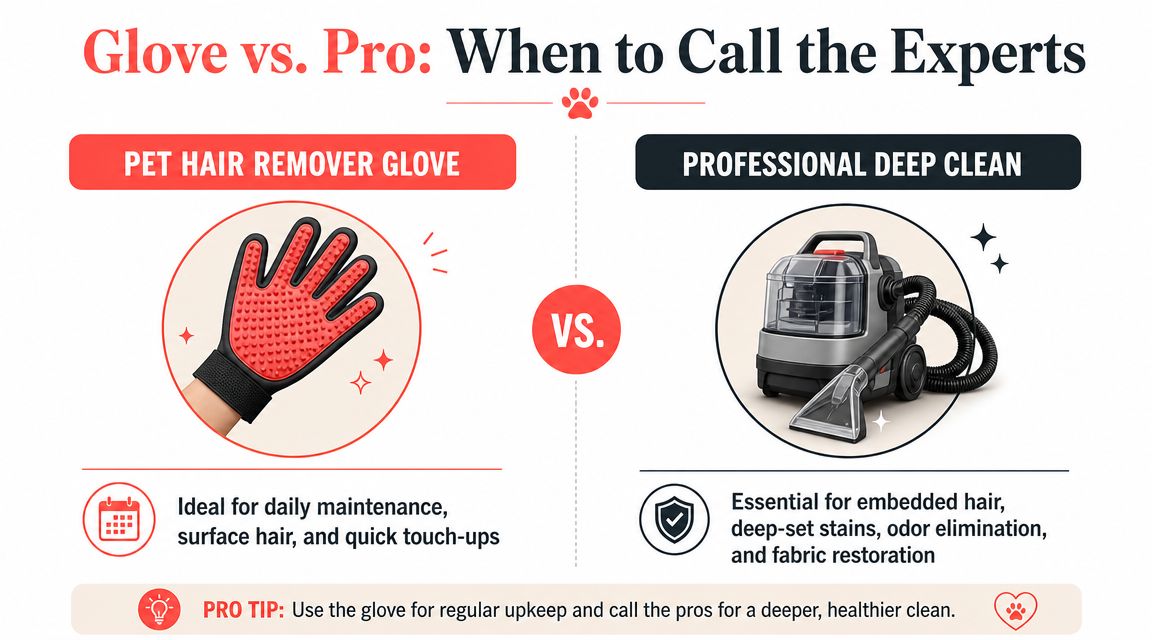
A glove is good at surface contact. It grabs loose hair on seats, couches, bedding, and other soft materials. That's useful for daily control.
A professional interior service handles the problems underneath that top layer:
| Cleaning need | Glove | Professional deep clean |
|---|---|---|
| Quick touch-ups | Good fit | Usually unnecessary |
| Surface fur on upholstery | Helpful | Also handled |
| Hair packed into seams and carpet | Limited | Better suited |
| Pet odor issues | No | Addressed with deeper interior work |
| Stains and residue | No | Addressed with proper cleaning methods |
That difference is why so many DIY attempts stall out. The tool may be fine, but the mess is beyond surface cleaning. If you've ever wondered why DIY couch cleaning fails, the same idea applies in vehicle interiors. Once contamination is set into the fibers, simple top-down cleaning stops short.
The vehicle interior problem most people underestimate
Cars are harsher environments than furniture. Heat, moisture, dirt from shoes, pet oils, and repeated traffic all work together. Hair gets locked into those fibers, and odor can stay behind even after the visible fur is removed.
For that kind of job, professional tools make the difference. Detailers use stronger vacuum systems, compressed air, specialized brushes, extraction methods, and odor treatments that a glove does not replace. The Mobile Buff offers a service option for removing stubborn pet hair from carpets, seats, crevices, and other interior surfaces, which is the kind of work that comes up when routine maintenance is no longer enough.
If your main issue is dog fur in your vehicle, this page on pet hair removal car detailing can help you decide when it's time to stop fighting the same spots and book a deeper interior reset.
A pet hair remover glove for furniture is still worth having. It helps you stay ahead of the mess. But if you want the car to look clean, feel clean, and smell clean again, a true deep interior service is the step that finishes the job.
If your seats, carpet, or cargo area still hold onto pet hair after the usual tools, schedule a professional interior cleaning with The Mobile Buff. We bring mobile detailing right to your driveway in Central Pennsylvania and handle the embedded fur, odors, and interior buildup that quick touch-ups can't fully solve.

