


Dust collects in the same places in almost every vehicle. It settles deep in the air vents, around climate knobs, along shifter trim, and in the corners of cup holders where a towel can't reach. You wipe the dash, the cabin looks better for a minute, then the hidden grime is still sitting there.
That's where car interior cleaning putty gets people curious. It looks simple, and for the right kind of mess, it is. Press it into a tight gap, lift it away, and some of that fine dust and loose debris comes with it. A key point often missed is that it's a maintenance tool, not a full interior-cleaning solution. Used correctly, it can help with light cleanup. Used carelessly, it can create new problems.
That Dust in Your Vents Has Finally Met Its Match
A lot of drivers reach for cleaning putty after they've already tried the usual routine. They've wiped the dash. They've run a vacuum over the seats. They may have even pushed a towel into the vent slats with a fingertip and watched the dust stay put.
The same thing happens around trim edges and console seams. Crumbs drop into the gap beside the seat. Dust builds up around buttons. Cup holders collect that dry, gritty film that doesn't come up with a quick swipe. These are the spots that make an interior feel dirty even when the rest of the car looks fine.
That's why cleaning putty became popular. It's meant for those awkward, narrow areas where a cloth is too broad and a brush alone may just move the dust around. In day-to-day upkeep, it can be handy for light debris in vents, knob surrounds, and textured plastic.
If vent dust is your main annoyance, it also helps to understand what's safe to use in that area. This guide on how to clean car air vents covers the bigger picture, especially when dust buildup goes beyond what a quick touch-up can handle.
Practical rule: If the mess is dry, light, and sitting on the surface, putty can help. If it's sticky, greasy, or packed in, you need a different approach.
From a detailer's perspective, that's the real line. Putty earns its place when the interior needs a quick refresh between deeper cleanings. It doesn't replace proper vent cleaning, fabric cleaning, or careful work on sensitive materials.
What Exactly Is This Magic Goop and How Does It Work
Car interior cleaning putty is a modern version of cleaning slime. It's a reusable gel made from glue-based polymers, and it became popular as drivers started looking for spot-cleaning tools that work in compact interior spaces like vents, knobs, and console gaps, as described in this overview of cleaning slime for car interiors.
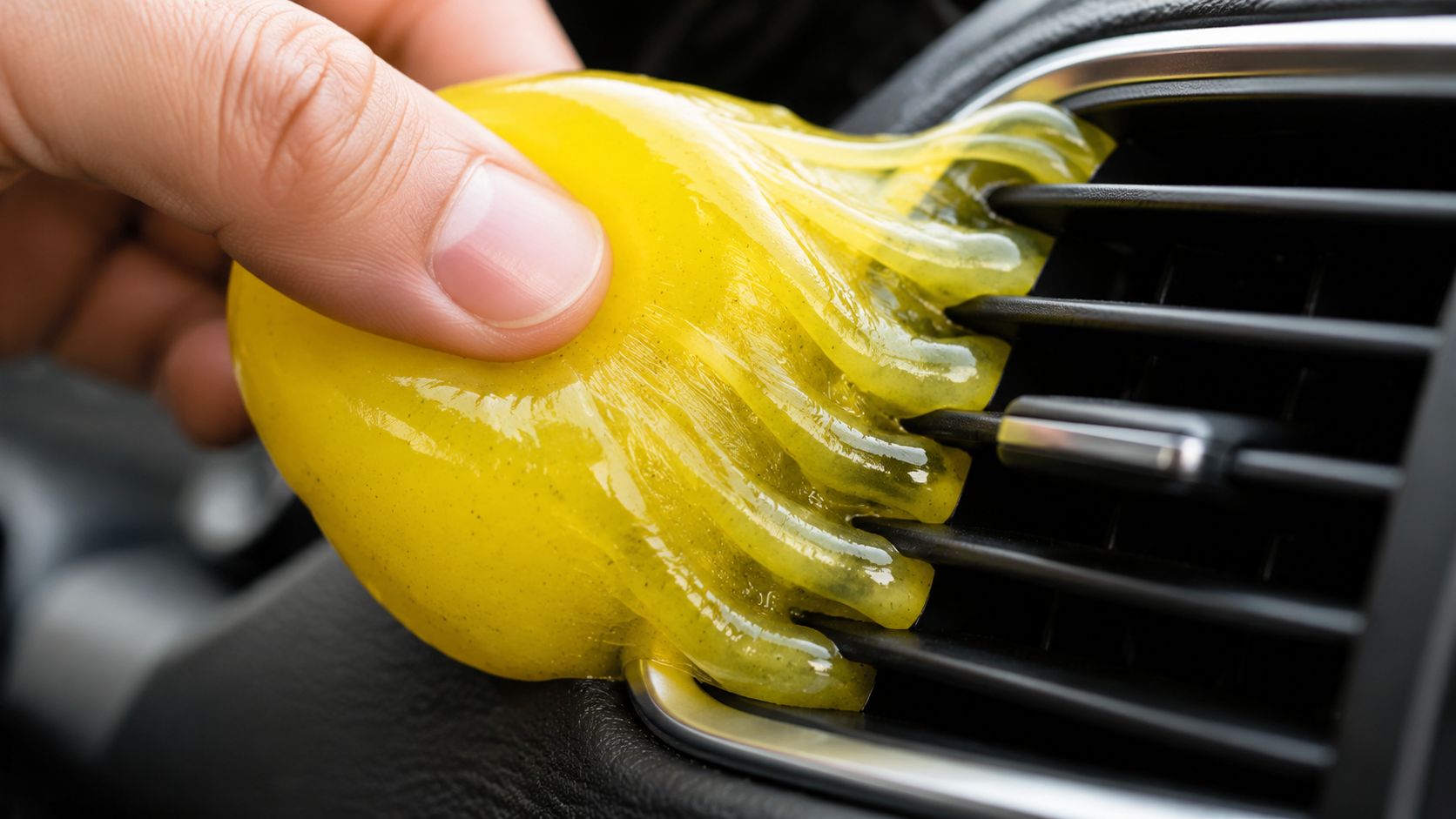
It works by conforming to uneven surfaces. When you press it lightly into a vent, seam, or textured trim piece, the gel reaches into the tiny recesses that a flat towel can't touch. Then, as you lift it away, it pulls loose dust, crumbs, and grit with it.
What it's good at
Putty is a specialty tool, not an all-purpose cleaner. It's best for:
- Air vents: Narrow slats and corners where dust settles.
- Console seams: Small gaps around trim and switchgear.
- Cup holder edges: Dry debris hiding in molded contours.
- Textured plastics: Surfaces that trap lint in tiny patterns.
What it isn't
It's not a disinfectant. It's not a stain remover. It's not the right answer for screens, soaked spills, or oily grime.
That distinction matters because a lot of product marketing makes it look like one blob can clean an entire interior. In practice, a detailer treats it more like a precision accessory. You use it where it fits, and you stop using it where another tool is safer.
Used the right way, putty is less like a miracle product and more like a detailing pick for the spots other tools miss.
A Professional Method for Using Cleaning Putty
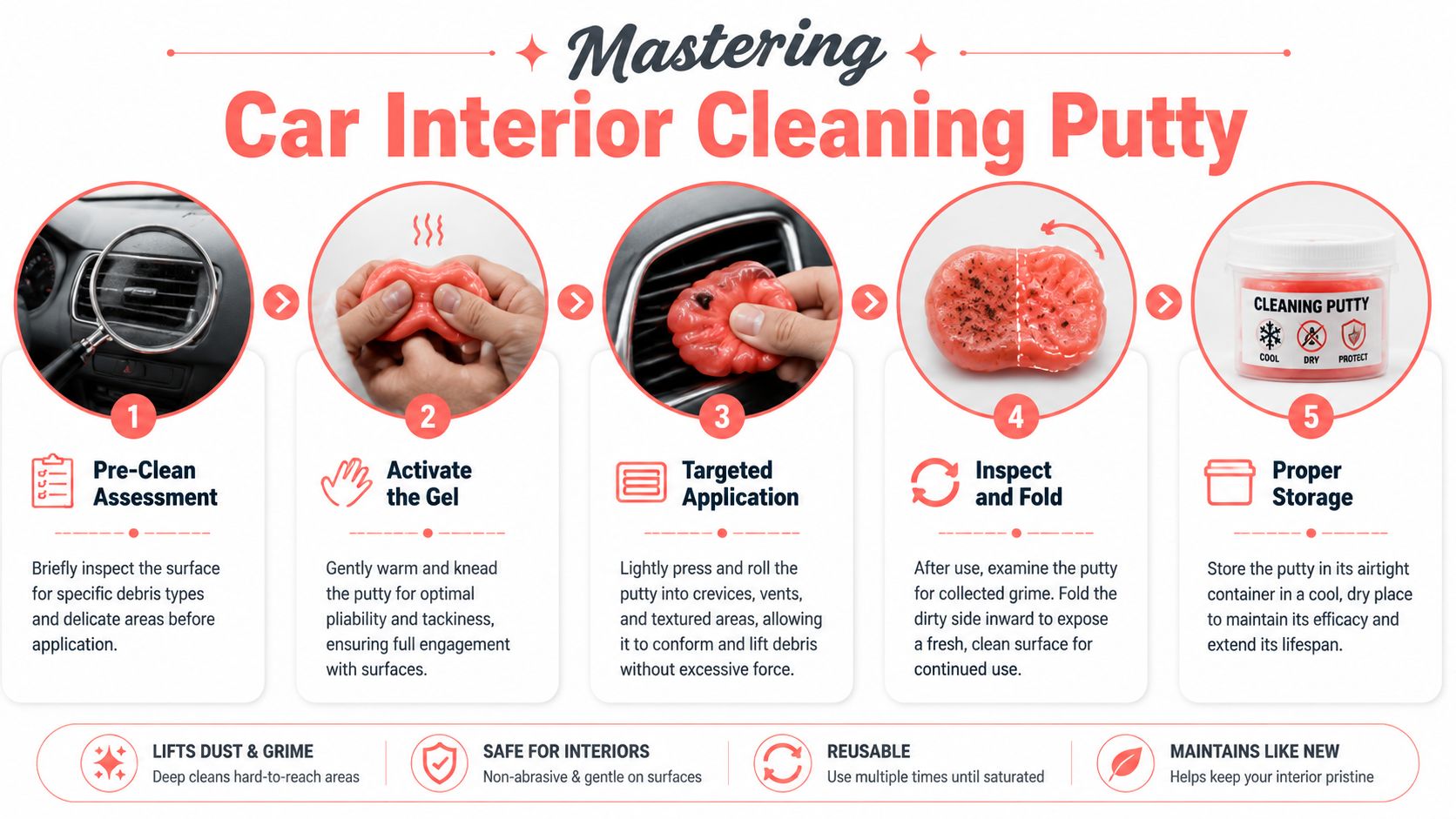
The best results come from using putty late in the process, not first. According to this interior detailing workflow from The Rag Company, the highest-yield method is to dry-vacuum loose grit first, then use small, fresh portions of putty on cool, dry surfaces, pressing with light rolling pressure, lifting straight up, and refolding to expose a clean face.
Start with dry removal
If there's loose grit in the area, vacuum it first. This is the step many people skip, and it's why the putty gets overloaded too fast. A vacuum removes the easy debris so the gel can focus on what's lodged in the crevices.
That matters around vents and buttons in particular. If you press putty onto loose dirt sitting on top of the surface, you're more likely to smear contamination around the area than clean it efficiently.
Use pressure sparingly
Once the surface is dry and cool, tear off a small portion instead of working with one large blob. Press it into the area with a gentle rolling motion. Don't scrub, grind, or mash it hard into the surface.
For vents, let the putty conform to the slats and edges. For console seams, touch the gap lightly, then lift straight up. If you drag it sideways, you increase the chance of streaking or leaving residue behind.
A professional rhythm looks like this:
- Press lightly: Let the gel contact the surface without force.
- Lift cleanly: Pull straight up instead of peeling across the trim.
- Refold often: Hide the dirty side inside the putty and expose a fresh face.
- Switch pieces when needed: If it looks glossy or loaded up, stop using that piece.
Know when the putty is done
A fresh piece has tack without being runny. Once it gets overly worked, it can turn slick and lose pickup ability. At that stage, continuing to dab the same section usually makes the result worse, not better.
Shop habit: Small portions outperform one dirty glob every time. Cleaner contact means cleaner results.
This is one of those tools where restraint matters. The people who get decent results with car interior cleaning putty usually stay in its lane. They use it briefly, on dry detail areas, and move on.
Common Mistakes That Can Damage Your Interior
A lot of online demos make putty look foolproof. It isn't. A hands-on review from The Drive's cleaning gel test gave one leading gel 9/10 for performance, 8/10 for ease of use, but only 5/10 for safety, with an overall 7.5/10, which is a good summary of the category. It can work well, but it also needs care around sensitive surfaces.
Sensitive surfaces are where trouble starts
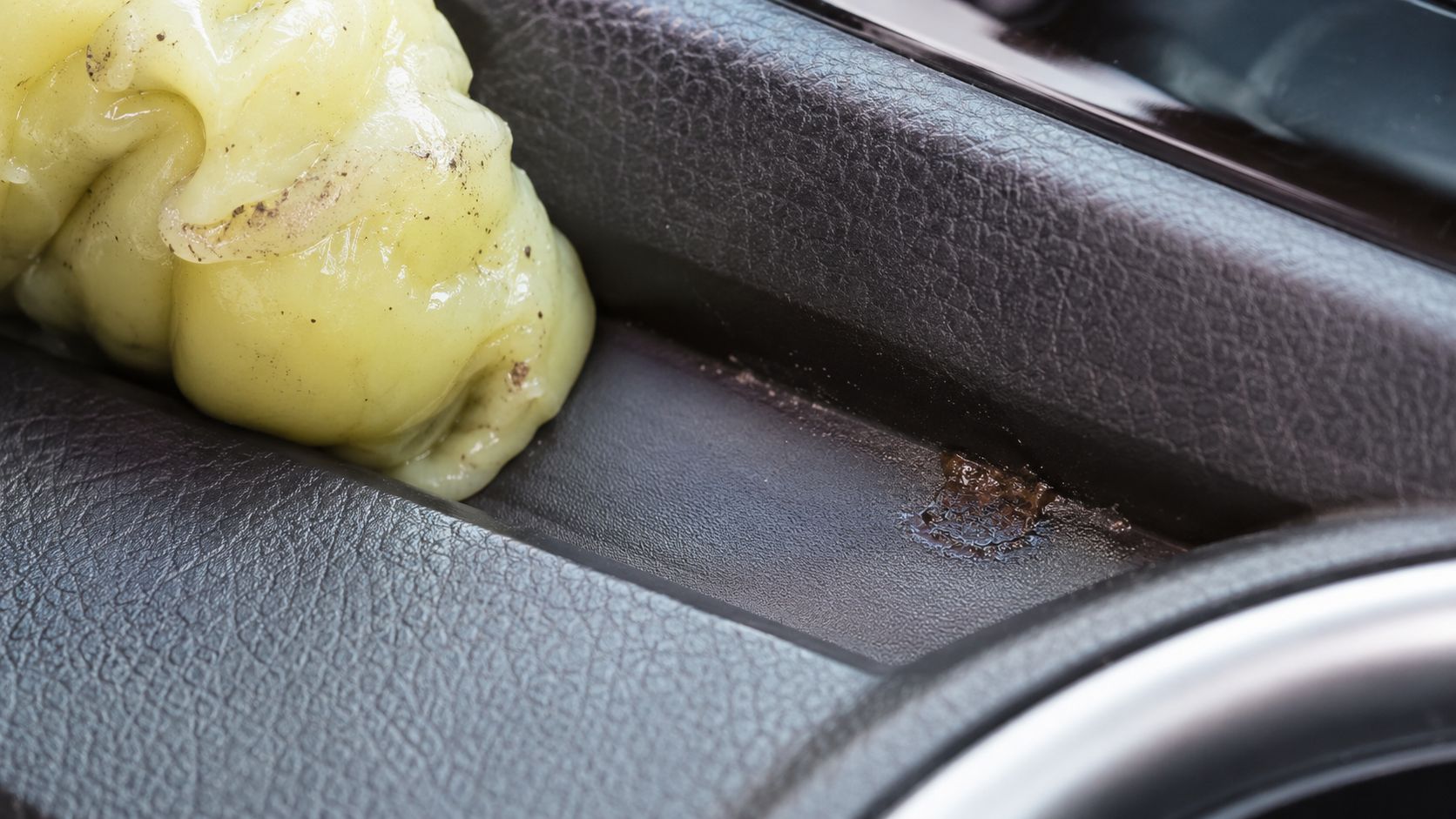
Screens are the obvious no-go area. So are porous upholstery sections, delicate coatings, and some softer interior finishes. If the putty sticks, smears, or leaves residue, cleanup gets more complicated fast.
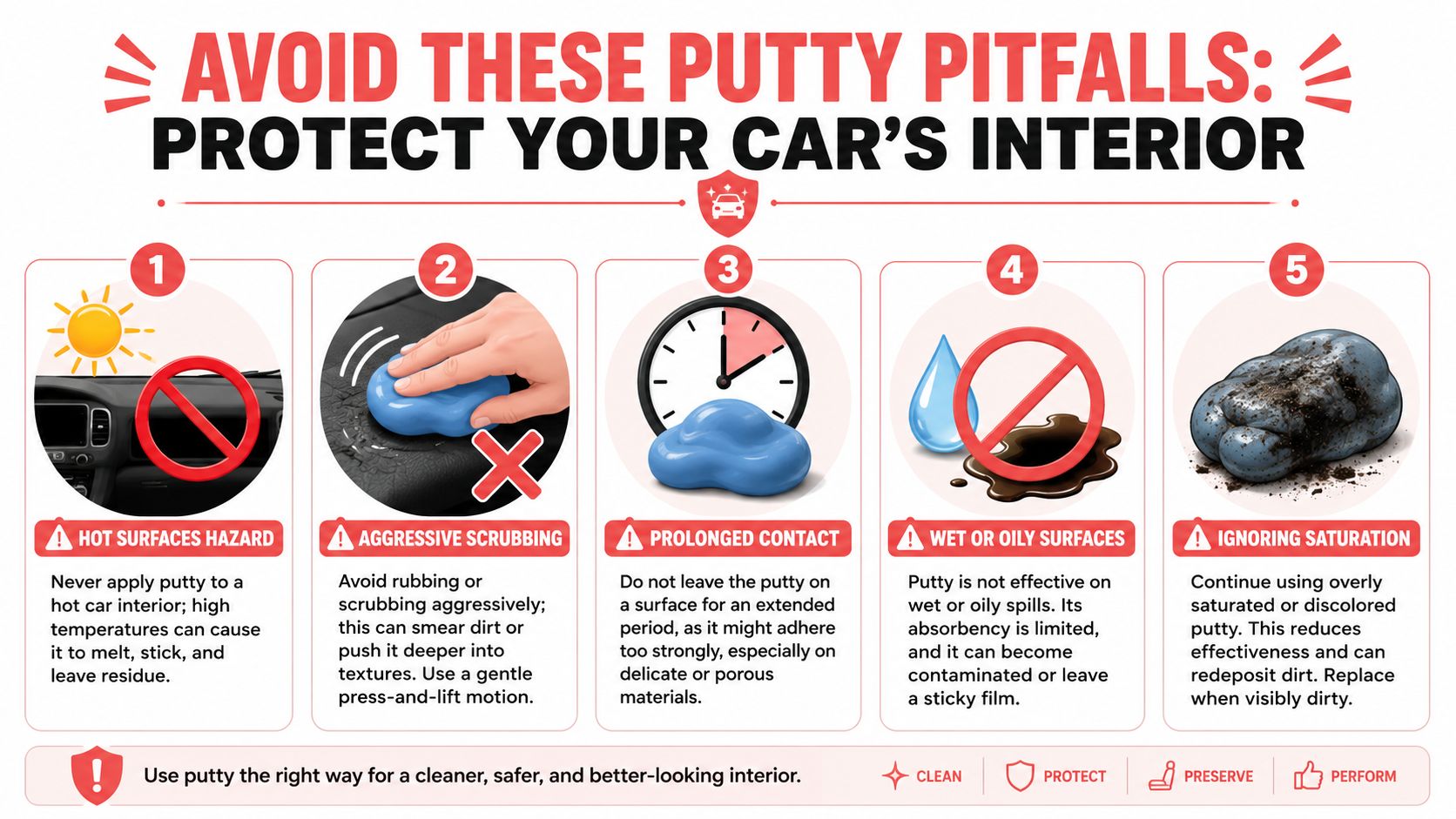
Heat also changes the risk. On a hot dashboard, the gel can soften too much and become harder to control. That's when people start pressing more, lifting less cleanly, and leaving transfer marks behind.
The most common user errors
Most problems come from technique, not from the idea of the product itself. These are the mistakes detailers see most often:
- Using it on the wrong surface: Leather, screens, and delicate soft-touch areas don't give much margin for error.
- Pressing too hard: More force doesn't mean more cleaning. It can push dirt deeper into texture or increase sticking.
- Working one dirty piece across the whole cabin: Once the putty is loaded, it starts losing pickup and can redeposit grime.
- Trying to use it on wet or oily contamination: Putty isn't designed for drink residue, greasy fingerprints, or soaked debris.
- Using it in a hot car: Heat makes texture and tack less predictable.
Why pros stay cautious
Detailers already know that many interior materials don't tolerate experimentation well. One wrong product on a screen or coated trim panel can create a bigger fix than the original dust problem.
That's why car interior cleaning putty belongs in the “use carefully” category. Helpful in small doses. A bad idea when someone treats it like a universal interior cleaner.
When Putty Is Not Enough The Limits of Gel Cleaners
This is the part that matters most for real-world interiors. If the vehicle has pet hair woven into carpet, sticky drink residue in the console, embedded grit in floor mats, or general heavy buildup, putty is the wrong lead tool. As noted in this consumer discussion on when gel cleaners fall short, a gel is often slower and less effective for heavily soiled interiors than vacuuming, brush agitation, and targeted cleaners.
A quick refresh is where putty makes sense. A deep clean is different. Deep clean jobs involve material-specific chemistry, controlled moisture, proper brushes, extraction where needed, and enough experience to know when a surface should be agitated lightly versus left alone.
Jobs putty handles poorly
Think of putty as a dust-and-crumb tool. Once the mess becomes adhesive, embedded, or hygiene-related, it falls behind.
- Pet hair: Hair wrapped into carpet and seat fibers needs tools that can pull and lift, not just dab.
- Sticky spills: Soda, coffee residue, and food film require cleaning agents and proper wipe-down methods.
- Ground-in debris: Sand and grit in carpets need vacuuming and agitation.
- Odor issues: Putty can improve appearance in small areas, but it doesn't address odor sources.
- Family and rideshare messes: High-touch interiors usually need broader cleaning than a gel can provide.
When professional service makes more sense
If the interior has visible buildup in multiple areas, or if you're dealing with stains, pet hair, food mess, or smell, skipping straight to a full service often saves time and reduces risk. A more complete maintenance option can include the kind of interior-specific process outlined by The Mobile Buff's interior detail service, while simpler DIY upkeep between appointments may be better served by the right car interior cleaning wipes for broad surfaces.
A clean-looking vent doesn't mean the cabin has been deeply cleaned. It means one detail area got attention.
That's the honest role of car interior cleaning putty. Useful for touch-ups. Limited for restoration.
Get a Truly Clean Car With The Mobile Buff
Professional interior work is less about one gadget and more about using the right method for each material. Detailers rely on controlled amounts of cleaner, soft brushes for seams and vents, and careful moisture management because excess liquid and poor technique can damage components or leave residue that attracts more dust later, as discussed in this interior detailing guidance on safe product use.
If you're comparing DIY upkeep with a full reset, the difference usually comes down to consistency. A quick touch-up helps the cabin look better. A proper interior service addresses the places dirt hides, the surfaces that need separate treatment, and the messes that shouldn't be attacked with guesswork. For shops that care about the customer experience after the work is done, this broader thinking lines up with resources like AI Tools for Local SEO's customer playbook, which focuses on what keeps customers happy once service expectations meet real results.
If you're in Central Pennsylvania and want the kind of interior clean that goes beyond vents and trim gaps, you can also check The Mobile Buff on Google to see how local drivers use mobile detailing when convenience and proper technique both matter.
If your interior just needs a light touch-up, car interior cleaning putty can help in a few tight spots. If your vehicle needs deeper cleaning, stain removal, pet hair removal, odor treatment, or safer care around delicate materials, book a visit with The Mobile Buff and get professional detailing brought right to your driveway.

