


A white car looks fantastic for about five minutes after a wash. Then the hood picks up dust, the lower doors catch road film, and one bird decides your roof is a target. That frustration is real, especially in Central Pennsylvania where pollen, rain, road salt, and farm dust all take turns.
The good news is that white paint is not impossible to maintain. It just asks for a different approach. White hides some defects better than dark paint, but it highlights the wrong kind of contamination. If you understand that trade-off and use the right process, keeping a white car clean becomes much more manageable.
The Allure and Challenge of a Brilliant White Car
A freshly cleaned white car has a crisp look that few other colors can match. It looks bright, sharp, and expensive when the paint is clear and the trim is dressed properly. That is why so many owners love it.
It is also why white can be annoying.
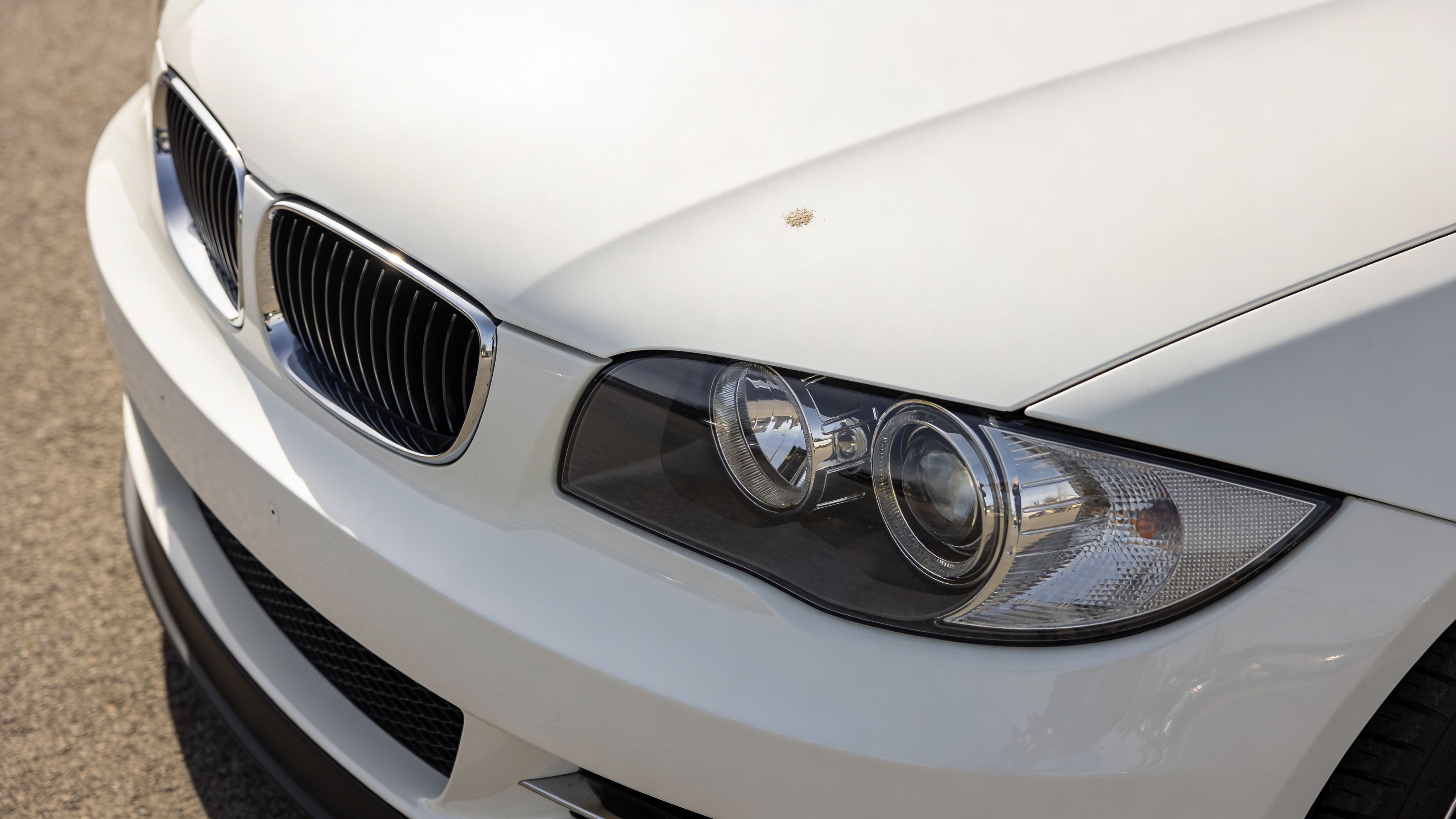
White paint plays a visual trick. Light dust, pollen, and minor dirt can blend in, so the car may seem cleaner than it is. But darker grime, bug splatter, road film, and mud stand out hard against white paint. That is part of the nuanced reality behind white car ownership noted in this industry analysis, which also says white is the most sold car color worldwide and that protection like ceramic coatings applied annually or wax applied every 3 months can reduce maintenance by helping dirt and water release more easily (YouTube analysis on white car maintenance).
Why owners get frustrated
Many owners do not mind a little dust. What bothers them is staining and contrast.
On a white car, the lower rocker panels start looking dingy before the rest of the vehicle. Around the rear bumper, exhaust residue and road film can leave a gray cast. Front ends collect bug remains that turn into little dark marks. If the car sits outside, water spots and tree drip can make the surface look flat instead of bright.
That does not mean white is harder in every way.
What white paint does well
White usually hides fine swirl marks and light scratches better than black or deep blue. That matters because many daily drivers pick up wash marring over time. A white finish can stay visually attractive even when it is not perfect under shop lights.
Practical takeaway: White is forgiving with paint defects, but unforgiving with contamination. If you focus on contamination control, the color becomes much easier to live with.
The biggest shift is mental. Stop trying to make the car look freshly polished every day. Focus on a repeatable routine that keeps grime from building up and bonded contaminants from taking hold. That is how professionals think about how to keep a white car clean. Not as a one-time miracle detail, but as a system.
Your Foundation for a Flawless Finish The Right Washing Toolkit
Most white car problems start before the soap even touches the paint. Wrong towels, harsh cleaners, dirty wash water, and bad drying habits leave behind the haze and spotting that owners blame on the color. The paint is not the problem. The wash process is.

Start with tools that protect the paint
A safe wash kit is not fancy. It is disciplined.
You want a setup that removes contamination while limiting friction. For white paint, that matters because dark transfer marks and wash-induced grime streaks are easy to notice even when swirls are not.
A professional-grade kit should include:
- Two wash buckets: One holds shampoo solution. The other is the rinse bucket for your mitt. This is the core of the two-bucket wash method.
- Grit guards if available: They help settle debris at the bottom of the bucket instead of recirculating it into your mitt.
- pH-neutral car shampoo: Use a dedicated car wash soap, not dish soap or household degreaser.
- Microfiber wash mitts: Good mitts pull contamination away from the surface better than sponges.
- Dedicated wheel brushes and towels: Wheels throw grime. Keep those tools away from paint.
- Large drying towels: Plush microfiber drying towels reduce contact and absorb water fast.
Why professionals insist on two buckets
The two-bucket method is not hype. It is basic paint preservation.
When you wash with one bucket, the dirt you remove from the rocker panel or rear bumper ends up back in the water. Then your mitt drags that grit across the hood and doors. White paint may hide some light marring, but the surface still loses clarity over time.
With two buckets, you rinse your mitt in one bucket before loading fresh soap from the other. That simple separation lowers the chance of rubbing abrasive debris back onto the finish.
Use car shampoo, not kitchen chemistry
Household detergents cut grease aggressively. That sounds useful until they strip away the wax or spray protection that helps your white paint resist staining.
A pH-neutral shampoo is the industry-approved choice because it cleans without being unnecessarily harsh. If your car already has wax, sealant, or a ceramic topper on it, the right soap helps preserve that layer.
Tip: The goal is not the strongest cleaner. The goal is the safest cleaner that still removes normal grime.
Wheels first, paint second
Brake dust is filthy. It is also easy to sling onto white paint if you clean the body first and the wheels second.
Professionals usually start with wheels and tires so the dirtiest area gets handled before the contact wash on the paint. Use wheel brushes, a separate mitt or towel, and dedicated buckets if possible. Do not cross-contaminate.
Drying matters more than most owners realize
A white car can look clean after the wash and still end up with spotting because it was dried carelessly or not dried at all. Water left to evaporate on the surface can leave mineral residue, especially on glass and horizontal panels.
Use a clean, absorbent microfiber drying towel and blot or glide lightly. If you want a deeper walkthrough on technique, this guide on the best way to dry car after washing is worth reading before your next wash.
A quick visual demo also helps if you learn better by watching process in action.
The toolkit that works versus the one that causes problems
| Tool choice | What works | What causes trouble |
|---|---|---|
| Soap | pH-neutral car shampoo | Dish soap or strong household cleaners |
| Wash media | Microfiber mitt | Old sponge or rough rag |
| Wheel tools | Separate brushes and towels | Using paint towels on wheels |
| Drying | Clean microfiber drying towel | Bath towel, chamois in poor condition, or air drying |
| Wash water | Two-bucket method | One dirty bucket for the whole car |
A white car rewards careful basics. Owners usually look for a secret product, but the answer involves better separation of dirt, safer contact, and proper drying.
A Smart Maintenance Schedule for a Permanently Clean Car
The biggest mistake with white paint is letting contamination pile up until the only option is hard scrubbing. That is when people grind grime into the finish, miss hidden fallout, and wonder why the car still looks dull after a wash.
A white car stays cleaner when maintenance is light and regular.
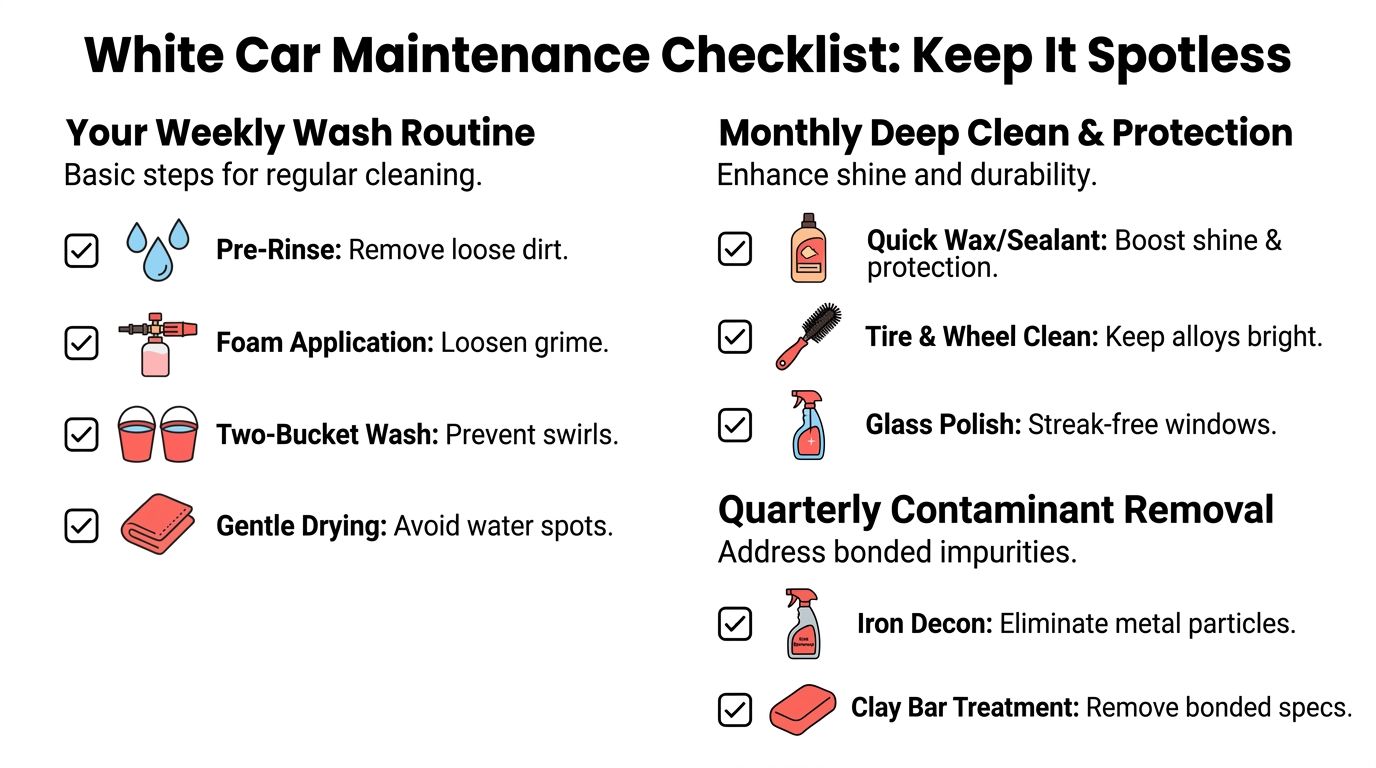
According to this white car care reference, white cars require washing every 1-2 weeks to maintain appearance, with weekly washing in summer and even 2-3 times per week in winter climates where road salt and winter contaminants are heavy. The same source recommends applying ceramic spray or protective wax every 4-6 weeks because contaminants like bird droppings, mud, and debris can degrade paint layers if left in place (Cloud 10 Smart Wash on white car upkeep).
Daily attention beats weekend rescue jobs
You do not need to fully wash the car every day. You do need to notice what landed on it.
Bird droppings, bug remains, and fresh tree sap are easier to deal with when they are fresh. If you see something aggressive on the paint, remove it promptly with a proper automotive-safe detail spray and a clean microfiber towel. Do not let it bake in the sun for days.
A simple habit helps:
- Walk-around check: Look at the hood, roof, mirrors, and trunk lid when you park.
- Spot clean fast: Remove fresh contamination before it dries hard.
- Watch the lower panels: White paint often looks dingy first behind the wheels and along the rocker panels.
What a weekly or bi-weekly wash should include
Most owners can keep a white daily driver looking sharp with a regular hand wash on a steady schedule. The exact timing depends on where the car lives and how it is used.
For a practical routine, keep it simple:
- Pre-rinse thoroughly: Knock off loose grit before touching the paint.
- Clean wheels and tires first: Keep brake dust away from the body.
- Foam or shampoo the exterior: Let the soap loosen grime.
- Use the two-bucket wash method: Work top to bottom.
- Rinse completely: Do not leave soap sitting in crevices.
- Dry with microfiber towels: Prevent water spotting.
- Check trouble spots: Front bumper, mirror caps, rear hatch, rocker panels.
Key idea: Frequent gentle washing is safer than occasional aggressive washing.
Once a month, add protection
The monthly step is where many white cars improve dramatically.
If the paint is clean but unprotected, contamination grabs on faster. Add a quality spray protectant, wax, or sealant after the wash and drying step. This gives the surface a slicker feel and makes future cleanup easier.
Monthly maintenance can include:
- Top up paint protection: Use a ceramic spray or protective wax if your current layer is fading.
- Clean door jambs: White jambs collect dark residue quickly.
- Polish exterior glass lightly if needed: Clean glass changes how “fresh” the whole car looks.
- Dress tires and trim carefully: Keep it neat. Sling on white paint looks terrible.
Every few months, check for bonded contamination
If the paint still feels rough after washing, the surface likely has bonded contaminants. That is when decontamination becomes necessary. On white paint, those contaminants often show up visually before the owner even runs a hand across the panel.
At this point, the routine separates maintenance from correction. Washing removes loose dirt. Decontamination removes what washing leaves behind.
A routine busy owners can keep
Not every owner wants to spend their Saturday with buckets and towels. Fair enough. The important part is consistency.
Here is the simplest version of how to keep a white car clean:
- A quick visual check during the week
- A proper wash every 1-2 weeks
- A protection step every 4-6 weeks
- A deeper decontamination on a seasonal basis or when the paint feels rough
That schedule prevents the spiral where a white car goes from bright to chalky-looking because road film, fallout, and spotting built up all at once.
Tackling Tough Contaminants on White Paint
White paint tells on everything. A car can come out of a decent wash looking clean from ten feet away, then show rust specks, tar dots, and dull patches the moment the sun hits it. That is why my approach changes once regular washing stops improving the finish.
A maintenance wash removes loose grime. Tough contamination needs the right chemical or the right decontamination step, used in the right order. Scrubbing harder usually makes the job worse.

Iron fallout is the hidden problem many owners miss
Those tiny orange or brown dots on a white hood, trunk, or lower doors are often iron contamination. Brake dust is a common source, but rail dust and industrial fallout can do the same thing. A shampoo wash will not pull those particles out of the paint.
Use a dedicated iron remover on cool paint, let it dwell as directed, then rinse thoroughly. If the product changes color as it reacts, that is a good sign the chemistry is working. The trade-off is smell. Many iron removers are effective and unpleasant at the same time, so use them outside and do not let them dry on the surface.
Bird droppings, bug residue, and sap need quick spot cleaning
White paint stains easily, and acidic messes can mark it faster than many owners expect. Bird droppings are the classic example. Let them bake on a hot panel and you may be dealing with etching, not just cleanup. For a safe method, follow this guide on the best way to clean bird droppings off your car.
Bug residue and fresh sap follow the same rule. Soften first, wipe gently with a clean microfiber, and avoid grinding debris into the clear coat.
Tar and road film need a different product
Tar usually builds behind the wheels and along the rocker panels. On white paint, it looks like someone flicked black paint across the lower body.
Use an automotive tar remover only where needed. Let it loosen the residue, then wipe with light pressure. Fingernails, stiff brushes, and aggressive scraping create more work later, especially if they leave marring that now needs polishing.
Road film is broader and more deceptive. It gives white paint that dingy, gray cast that owners notice but cannot always identify. If a proper wash leaves the finish looking flat, the issue is often embedded film and bonded contamination rather than missed soap.
Clay bars work well, but technique matters
Clay removes what washing and chemical decontamination leave behind. That includes overspray, stubborn residue, and the rough, gritty contamination you can feel with your fingertips after the paint is clean.
Use a fine-grade clay bar or clay mitt with plenty of lubrication. Lubrication allows the clay to pull contamination from the surface without dragging it across the paint. Work one small section at a time with light pressure and straight passes. If the clay gets dirty, fold to a clean side or swap media.
This is one of the clearest DIY trade-offs. Done properly, claying leaves white paint smoother and brighter. Done carelessly, it can leave light marring that shows up in direct sun and needs machine polishing to fully correct.
Winter contamination gets baked into white paint fast
Central Pennsylvania roads are hard on white vehicles. Salt, brine, slush, and diesel film collect on the lower half of the car and turn bright paint brown in a hurry.
A few habits help:
- Rinse often when roads are treated: Even a basic rinse strips off a lot of corrosive residue.
- Focus on wheel arches, rocker panels, and lower doors: These areas hold the worst buildup.
- Wash during mild weather windows: Waiting until spring gives contamination months to sit on the paint.
Owners who stay on top of winter grime usually avoid the heavy correction work that shows up at the end of the season.
Glass and trim need separate attention
White paint makes neglected glass stand out. If your windows have stubborn mineral spotting, it helps to know whether you are dealing with surface deposits or actual etching. This guide on removing water etching on car windows explains the difference well.
Trim matters too. Dirty or faded black trim beside white paint makes the whole vehicle look older. Clean textured plastic carefully, then protect it with a trim-safe dressing so residue does not chalk up the edges.
Interior neglect can ruin the clean-car effect
A bright exterior does not feel finished if the cabin smells stale or the carpets are full of pet hair and salt residue.
This is also the point where plenty of DIY jobs stall out. Hair weaves into carpet. Odors settle into fabric and vents. Sticky spills leave residue that keeps attracting dirt. Professional interior work and odor treatment can save hours of frustration and usually gets better results than repeated passes with retail spray products.
What works and what usually backfires
| Problem | Best approach | What to avoid |
|---|---|---|
| Iron spots | Dedicated iron remover | Scrubbing specks with pressure |
| Bird droppings or bug residue | Soften and lift promptly with a clean microfiber | Letting residue bake in the sun |
| Tar | Automotive tar remover | Scraping with hard plastic or fingernails |
| Rough paint after wash | Fine clay with heavy lubrication | Claying a dry panel |
| Salt buildup | Frequent rinsing and timely washes | Letting winter grime sit for months |
| Glass mineral marks | Correct treatment based on severity | Assuming standard glass cleaner will fix etching |
White paint rewards the right sequence. Chemical decontamination first, mechanical removal second, polishing only if needed. That is the routine we use because it protects the finish while keeping the car looking bright, not just temporarily clean.
Long-Term Paint Protection Wax Sealants and Ceramic Coatings
If you want to spend less time fighting grime, protect the paint. That is the effective shortcut.
Protection does not stop a white car from getting dirty. It changes how strongly contamination sticks, how easily water leaves the surface, and how much effort you need during routine washes.
Wax gives warmth and a familiar look
Traditional wax still has a place, especially for owners who enjoy hands-on maintenance.
A good wax can make white paint look richer and smoother. It also gives short-term sacrificial protection against the environment. The trade-off is durability. Wax needs regular renewal, and daily-driven cars often wear through it quickly.
Wax makes sense if you like frequent upkeep and do not mind reapplying protection on a regular basis.
Sealants lean practical
Paint sealants are the workhorse option for many drivers.
They are synthetic, they hold up better than many traditional waxes, and they usually make routine washing easier. For a white daily driver, that matters more than chasing a boutique finish. The car stays slicker, releases dirt better, and tends to dry easier.
This is a strong middle ground for owners who want more staying power without stepping into a full coating service.
Ceramic coatings are the low-maintenance winner
Ceramic coatings sit at the top of the protection ladder for most owners. They create a tougher, more chemically resistant surface than wax or many spray protectants, and they make maintenance noticeably easier.
On white paint, that pays off in a few ways:
- Road film releases more easily
- Water beads and sheets more effectively
- Drying is faster
- Staining has a harder time taking hold
If you want a clearer breakdown of how coatings work, this article on what is ceramic coating is a good starting point.
Bottom line: The best protection is the one you will maintain properly. For most busy drivers, that usually means a sealant or a professionally installed ceramic coating.
A simple comparison
| Protection type | Best for | Main trade-off |
|---|---|---|
| Wax | Owners who enjoy regular hands-on upkeep | Shorter service life |
| Sealant | Daily drivers needing practical durability | Less of the classic wax look |
| Ceramic coating | Owners who want easier maintenance and stronger long-term protection | Prep and application matter more |
What professionals look at before recommending one
No honest detailer should suggest protection without first looking at the condition of the paint.
If the surface is contaminated, stained, or full of embedded grime, adding protection on top does not fix the underlying issue. The paint needs proper prep first. That may mean decontamination and, in some cases, polishing.
That prep work is exactly why professional service has value here. A coating applied over poorly prepared paint locks in defects and disappointment. A coating applied over properly cleaned and corrected paint gives the owner the easy-maintenance result they were hoping for in the first place.
When to Call The Mobile Buff for a Professional Reset
You finish a careful wash, step back, and the car still looks tired. White paint should look crisp. If it still reads dull, rough, streaky, or blotchy after proper cleaning, the problem is usually beyond routine maintenance.
That is the point where I stop chasing the surface and start correcting the condition underneath. On white vehicles, embedded fallout, old water-spot minerals, traffic film, interior odor, and neglected trim all show up as a car that never quite looks clean, no matter how often it gets washed. A professional reset saves time because it deals with the cause, not just the symptoms.
The common trigger points
Professional detailing usually makes sense when one or more of these conditions show up:
- You bought a used vehicle: Previous owners often leave bonded contamination, stained fabric, neglected jambs, and worn-out protection behind.
- Your schedule is packed: White cars reward consistency. If regular upkeep keeps getting postponed, the finish declines fast.
- The car has seasonal buildup: Winter residue, road film, bug remains, and fallout often need more than a bucket wash.
- You want protection done properly: Sealants and ceramic coatings perform better when the surface is fully cleaned and prepped first.
- The cabin needs real attention: Pet hair, spills, odor, and embedded grime call for better tools and a more methodical process.
Why mobile service changes the equation
Convenience is not a small factor. It is often the reason maintenance happens at all.
A lot of owners mean to book a detail, then put it off because dropping off the vehicle creates another errand. Mobile service removes that friction. We work at your home, office, or job site, so the reset gets done without turning it into a half-day project.
For drivers in Harrisburg, Mechanicsburg, Carlisle, Newport, and surrounding parts of Central PA, that practical difference matters. A white car stays easier to manage when it gets attention on time instead of after months of buildup.
What a professional reset does better
A proper reset starts with inspection. I want to know what is sitting on the paint, what will wash off safely, and what needs a more controlled approach. That mindset matters because white paint can fool people. It hides some defects from a distance, but it also exposes staining, trapped grime, and missed edges once the sun hits it.
Professional work improves the result in a few clear ways. Decontamination is safer. Product choice is more deliberate. Interior cleaning goes deeper. Protection lasts longer because it is going onto a surface that is ready for it. There is a trade-off, of course. DIY care is cheaper upfront and completely workable for regular washing. The harder jobs demand more time, better lighting, stronger technique, and the willingness to correct what previous neglect left behind. If the issue has moved past detailing and into actual paint repair, this guide to professional paint refinishing services helps explain the difference.
See the standard before you book
Before hiring any detailer, check recent work and read local reviews. White vehicles are honest. They show whether the finish was cleaned and refined, or just made glossy for a photo.
The Mobile Buff’s Google Business Profile gives you a clear look at customer feedback and real-world results.
A good reset should leave the car brighter, smoother, and easier to maintain on the next wash. That is the standard we aim for.
If you want your white car to stay bright without giving up your weekends, book a mobile detail with The Mobile Buff. We bring professional hand-wash care, deep interior cleaning, odor treatment, and paint-friendly protection right to your driveway in Central Pennsylvania, so your vehicle looks cleaner, lasts longer, and stays far easier to maintain.

